Bathrooms work hard. Daily showers, steam, splashes and shifting pipework all leave their mark over time, and most bathrooms start showing real wear after ten to fifteen years. The tricky bit is knowing when a few cosmetic fixes will get you another season out of it and when the room genuinely needs ripping out and starting fresh. This guide walks through the five clearest signs a refit is the right call, what a full project actually involves, and how to plan it so the result lasts.
Five Warning Signs to Watch For
Some of these you can spot in five minutes with a torch. Others creep up slowly. If two or more apply to your bathroom, a full refit is usually the better long-term answer than patching one issue at a time.
- Persistent damp and mould: Black spotting along grout lines, ceiling corners or behind the toilet that keeps coming back after cleaning is a sign moisture is getting somewhere it shouldn't. Damp usually points to failed sealant, tired tile adhesive, a hidden pipe leak, or poor ventilation. Once it has worked into the substrate, surface cleaning will not fix it.
- Outdated or failing plumbing: Slow drains, weak shower pressure, knocking pipes, brown staining at fittings or visible corrosion on copper indicate the plumbing behind the walls is reaching the end of its life. Older bathrooms often still run on lead, galvanised steel or undersized pipework that struggles to keep up with modern showers and demand.
- Cracked tiles or lifting flooring: A handful of chipped tiles is cosmetic. Cracks that radiate across several tiles, grout that crumbles when you scrape it, or vinyl flooring that lifts at the edges all point to movement in the substrate beneath. That movement usually means water has worked into the floor or the original prep was never quite right.
- Layout that no longer works for you: Kids grew up, mobility changed, you want a walk-in shower instead of a bath, or the toilet is in the most awkward corner imaginable. If the room itself fights you every morning, no amount of new fittings will fix that. A refit is the only chance to move pipework and reset the layout properly.
- Tired, dated finish that drags the rest of the house down: Avocado suites, mottled 90s tiles, sagging bath panels, yellowed silicone, mismatched chrome that has gone matte. Cosmetic only? Sometimes. But when buyers walk into a tired bathroom they assume the rest of the house has been neglected too, and that affects valuation as much as it affects how you feel using the room.
What a Full Refit Actually Covers
A full bathroom install is not the same as swapping a suite. It is a strip back to substrate followed by a planned rebuild. Knowing what is included helps you compare quotes honestly.
- Strip out: Everything comes out. Suite, tiles, flooring, sometimes the plasterboard. This is messy and noisy but it is the only way to see what is actually behind the walls.
- First-fix plumbing and electrics: New pipework routed to the planned positions, waste runs corrected, isolation valves added, electric points repositioned for lighting, shaver sockets, extractor fans and any underfloor heating. Anything that disappears behind tiles gets sorted now.
- Substrate prep: Floors levelled, walls plastered or boarded, waterproof tanking in wet zones such as the shower enclosure. This is the layer most refits skip on, and it is the reason cheap installs fail at year three.
- Second-fix and finish: Suite installed, taps and shower fitted, tiling completed, grouted and sealed, flooring laid, lights, fan, mirror, radiator or towel rail. Final commissioning checks for leaks, drainage and electrical safety.
- Snagging and handover: Walk through with you, fix any small issues, clean the room down, give you the paperwork for any guarantees on suites, showers or boilers if they have been swapped at the same time.
A typical full bathroom project runs two to three weeks from strip out to handover, depending on the size of the room and whether the layout is being changed.
Thinking About a Full Bathroom Refit?
Scott handles bathroom projects across Bexleyheath, Kent and South East London end to end. One contractor, clear pricing, tidy workmanship. Get a free quote and an honest opinion on whether a refit is the right call.
Get a Free QuoteHow to Know the Timing Is Right
The bathroom is one of the more disruptive rooms to refit, so the timing question is fair. Most people underestimate how long they will wait if they keep patching, and overestimate how disruptive a planned project actually is.
- Repairs are getting more frequent: A leak last winter, regrouting earlier this year, a new shower valve six months ago. If the bathroom has been on a slow drip of small fixes, the total spend is usually closer to a refit than people realise, with none of the long-term gain.
- You are planning to stay five years or more: A well-fitted bathroom will look and work right for fifteen years easily. Spread across that timeframe, the cost per year is modest compared to ongoing fixes on a room you do not enjoy using.
- You are planning to sell within two years: A tired bathroom is one of the first things buyers downgrade their offer on. A clean, well-fitted bathroom holds value far better than a dated one with new accessories.
- Life is changing: Growing family, ageing parents moving in, working from home and using the upstairs more, or just wanting a proper shower at the end of a long day. If the room no longer fits your life, that is reason enough.
Planning a Refit That Lasts
Most bathrooms that age badly were not unlucky. They were rushed, under-specified or fitted by too many different people without a single plan. A few things make the difference between a bathroom that still looks right in fifteen years and one that needs touching up by year five.
- Spend on what stays hidden: Pipework, waterproofing, substrate prep and ventilation are the bits you never see, and they are also the bits that decide whether your refit lasts. Skimping here is the most expensive cost-saving you can make.
- Choose fittings you will not get bored of: Statement tiles and bold suites are tempting, but trend-led choices date fastest. Classic shapes, neutral tiles and a quality matt or brushed finish age much better.
- Get the ventilation right: A properly specified extractor fan on a humidistat or timed run-on circuit is one of the cheapest things in the room and the single biggest factor in whether mould comes back.
- Plan the layout on paper before you buy anything: Walking around the room with a tape measure and a sketch saves more money than any product discount. Move pipes once, in plan, not three times on site.
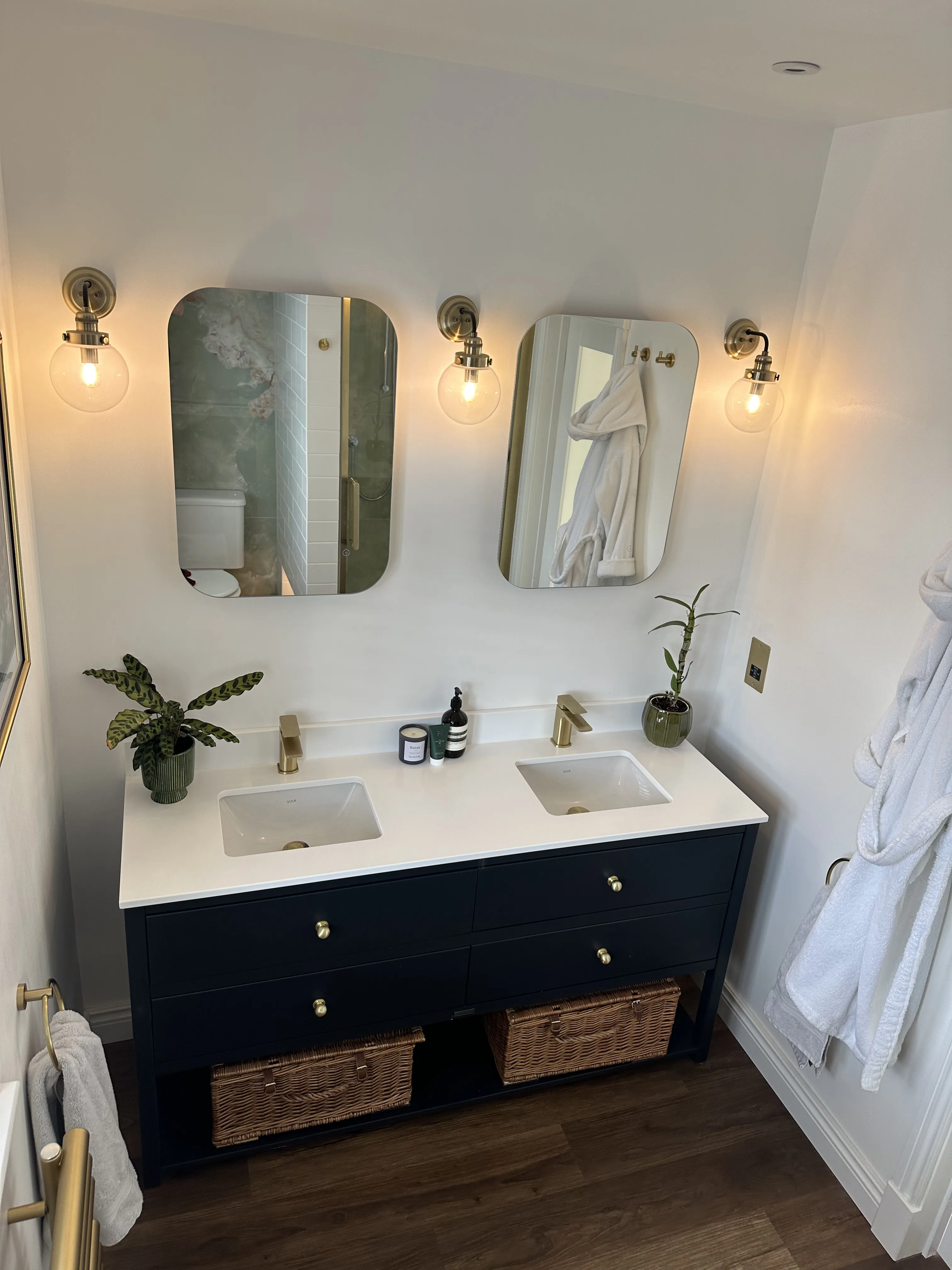
- Build in lighting layers: A single ceiling light is not enough. Aim for a layer of general light, a brighter layer at the mirror, and IP-rated downlights or LED strip in the shower zone. Good lighting makes a modest bathroom feel like a much more expensive room.
Why One Contractor Beats Many
The default for a lot of bathroom projects is to coordinate a plumber, a tiler, an electrician, a plasterer and a general builder yourself. It looks cheaper on paper. It almost never is by the end.
- One programme, not five: When one person plans the job, the trades arrive in the right order, with nobody waiting on someone else. That alone usually shortens a project by a week.
- One point of accountability: If something is not right at handover, you call one person. There is no debate over whose job it was. The contractor sorts it.
- Tighter detailing: When the same eye is on the project from strip out to grouting, the small details line up: tile cuts align with fittings, isolation valves sit where you can reach them, towel rails are at the right height for the radiator below.
- Honest advice along the way: A good contractor will tell you when something is worth doing and when it is not. That kind of guidance is hard to get when no one person owns the whole project.
Great Scott Plumbing & Heating runs every bathroom install on this single-contractor basis. Scott is on site, on the tools and the same person you speak to from quote to final sign-off. As a 2025 finalist for the HPM Bathroom and Shower Installer of the Year, the standard is set with quality first.
Frequently Asked Questions
Most full bathroom installs run two to three weeks from strip out to handover. Smaller projects with no layout changes can finish closer to two weeks. Larger projects that move pipework, add underfloor heating or include bespoke tiling sit at the upper end of that range.
Not the room being refitted. If you have a second bathroom or downstairs toilet, you can continue as normal. If not, it is worth planning shower use at a gym, family member or neighbour. The water will be isolated for parts of the project and there will be a period without functioning fittings.
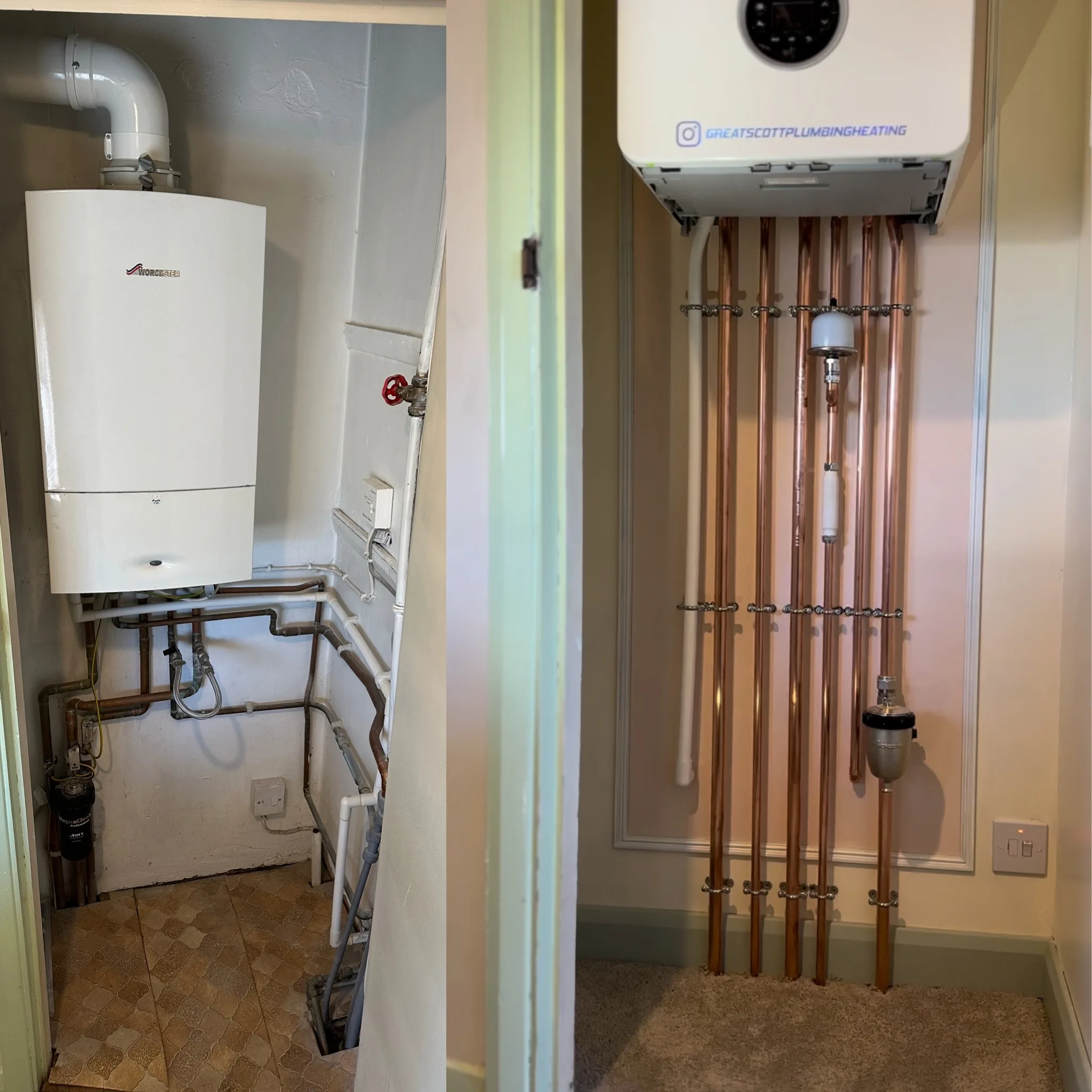
Not always, but it is worth checking. An older or undersized boiler may not deliver the flow and pressure a modern shower needs. Scott will assess your existing system as part of the survey and tell you honestly whether a boiler upgrade is needed, recommended, or not required.
Typical full bathroom projects fall between £12,000 and £25,000 depending on size, specification and whether the layout is being changed. The quote breaks down labour, suite and fittings, tiles, flooring and any extras such as underfloor heating, so you can see exactly where the budget sits.